
Language
BUYING A HOME IN BOSTON : THINGS YOU NEED TO KNOW BEFORE OWNING YOUR DREAM HOME
As one of America’s premier hubs for education, technology, and healthcare, Boston offers attractive opportunities for both living and real estate investment. The city—home to world-renowned universities such as Harvard and MIT—draws the interest of international investors, driven by strong demand for rental properties. However, there are several important details to consider when purchasing a home in Boston.

1 CONDO OR SINGLE-FAMILY HOME
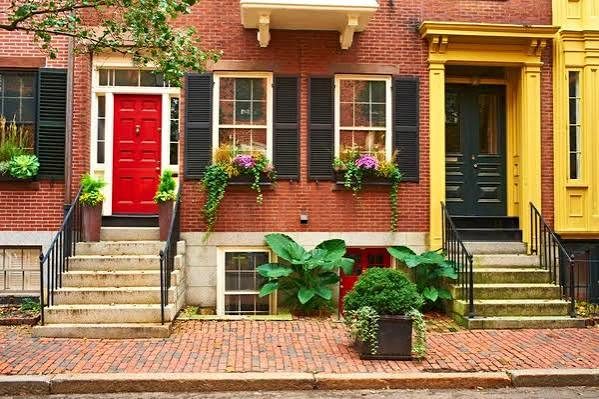
When purchasing real estate in Boston, the first step is to decide on the type of property. With a condo, you own an individual unit while also contributing to the maintenance costs of common areas. In the case of a single-family home—a detached house—you bear full responsibility for both the building and the land. Furthermore, especially when considering apartments in Boston’s historic buildings, it is important to carefully evaluate potential maintenance and renovation costs in advance.
2 PURCHASE AND CLOSING COSTS
When buying a home in Boston, additional costs arise beyond the purchase price, such as legal fees, title recording fees, appraisal costs, and expenses related to financing and insurance. In Massachusetts, the real estate transfer tax (Deed Excise Tax) is generally paid by the seller. Nevertheless, buyers should also calculate their closing costs in advance and establish their total investment budget accordingly.
3 PROPERTY TAXES AND MONTHLY DUES
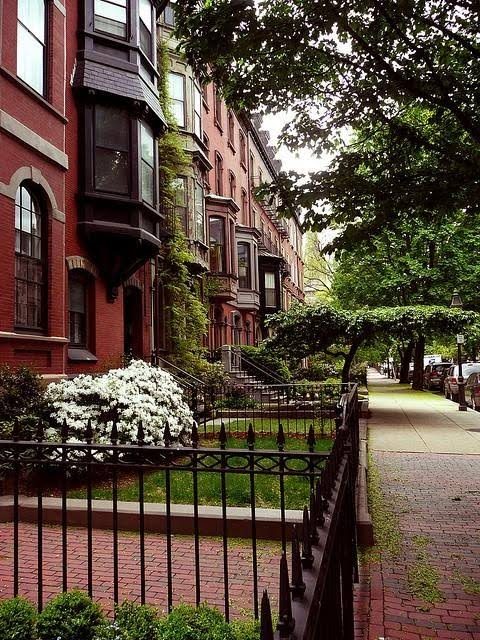
The recurring costs of homeownership in Boston include property taxes, homeowners insurance, and maintenance expenses. Those who purchase a condo also pay a monthly HOA (Homeowners Association) or condo fee. These funds cover the maintenance and management of the building’s common areas, as well as other services. Especially in older buildings, it is important to investigate potential renovations and the possibility of additional assessments (extra fees) before making a purchase.
4 FINANCING AND LEGAL PROCESS FOR FOREING INVESTORS
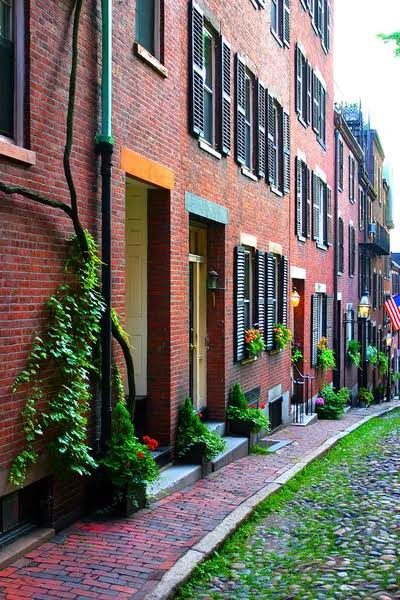
Individuals who are not U.S. citizens can purchase real estate in Boston; holding a Green Card or a residence permit is not a requirement. However, if foreign buyers choose to use a mortgage, banks may require a larger down payment, proof of income, and financial reserves. In Massachusetts, the purchasing process involves an "Offer to Purchase" followed by a "Purchase and Sale Agreement." For this reason, it is highly important to work with an experienced real estate attorney.

5 LOCATION, RENTAL POTENTIAL, AND PROPERTY INSPECTION
Location is a key factor in real estate investment in Boston. Areas such as Back Bay, Beacon Hill, Seaport, Cambridge, and Brookline offer distinct lifestyle and investment opportunities. Proximity to universities, hospitals, and public transit hubs can influence rental demand. Furthermore, especially with older properties, a professional home inspection should be conducted to check for issues related to the roof, plumbing, heating systems, moisture, and potential risks such as the presence of lead-based paint.

IN CONCLUSION
Purchasing a home in Boston can offer significant opportunities, both in terms of lifestyle and long-term investment. However, selecting the right neighborhood, examining the physical condition of the property, calculating taxes and monthly expenses, and properly managing the legal process are all critical to a successful purchase. For foreign investors in particular, seeking professional guidance will help ensure a more secure and well-informed investment decision.

NOTE
This text is provided for general informational purposes only. Legislation governing cooperatives and condominium properties may vary depending on the state, local regulations, and the specific governing documents of the building in question.