
Language
BUYING A HOME IN NEWYORK : WHAT YOU NEED TO KNOW BEFORE ACQUIRING YOUR DREAM HOME
5 KEY POINTS TO CONSIDER WHEN BUYING A HOME IN NEWYORKAs one of the most dynamic real estate markets in the world, New York offers attractive opportunities for those looking to purchase a home—whether for personal residence or as an investment. However, buying a property in New York involves unique legal and financial processes compared to other cities in the United States. To make a sound investment, it is essential to be aware of certain key details in advance.

1 COOP OR CONDO ?
The first factor to consider when buying a home in New York is the type of property. With a co-op, you are purchasing shares in the building, whereas with a condo, you hold the actual title to the property. While co-ops are generally more affordable, they may be subject to board approval and restrictions on renting out the unit. Condos, on the other hand, can offer more flexibility—an especially attractive option for foreign investors.

2 PURCHASE AND CLOSING COSTS
When buying a home in New York, you must account for more than just the purchase price; legal fees, title-related expenses, taxes, and other closing costs must also be factored in. For condos purchased with a mortgage, the "Mortgage Recording Tax" can represent a significant expense. Therefore, it is crucial to accurately calculate your total budget before proceeding with a purchase.

3 MONTLY DUES AND PROPERTY TAXES
One of the factors that determine the true cost of an apartment is its monthly expenses. Co-op apartments involve "maintenance fees," while condos entail "common charges" and property tax payments. Additionally, some buildings may require extra payments for maintenance or renovation projects. Reviewing these expenses prior to purchase is essential for long-term budget planning.

4 FINANCING AND LEGAL PROCESS FOR FOREING INVESTORS
Individuals who are not U.S. citizens can also purchase real estate in New York; holding a Green Card or a residency permit is not a requirement. However, banks may require foreign buyers to provide a larger down payment, proof of income, and a specific amount of cash reserves. Furthermore, working with an attorney experienced in New York real estate transactions is crucial to ensuring that the legal process proceeds securely.
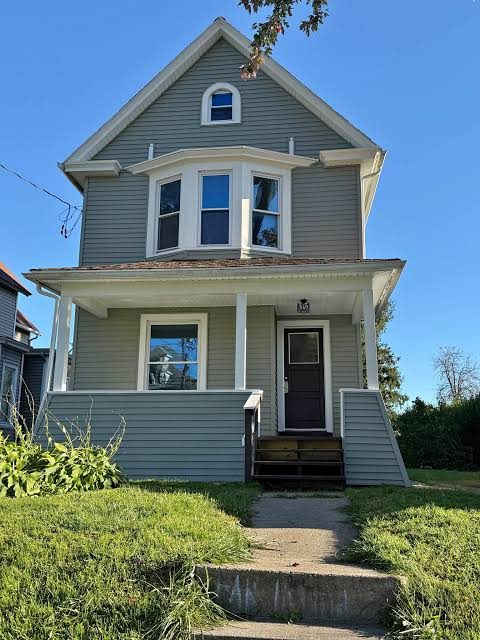
5 PURCHASING A HOME DOES NOT GRANT RESIDENCY RIGHTS
Buying a home in New York does not automatically confer a Green Card, a residency permit, or U.S. citizenship. Real estate investment and immigration processes are entirely separate. Therefore, when making an investment decision, one should carefully evaluate factors such as the property’s potential for appreciation, rental yield, tax obligations, and long-term costs

IN CONCLUSION
Purchasing a home in New York can offer significant opportunities, provided that it is approached with proper planning. However, aspects such as the choice of location, property type, taxes, financing, and legal procedures must be examined with great care. It is especially advisable for foreign investors to seek professional guidance, as this will help them make more informed and secure investment decisions.

NOTE
This text is provided for general informational purposes only. Legislation governing cooperatives and condominium properties may vary depending on the state, local regulations, and the specific governing documents of the building in question.