
Language
GENERAL INFORMATION ABOUT CYPRUS
Cyprus is not merely a small island on a map; it is a living, open-air museum where thousands of years of history, cultures, and civilizations converge.
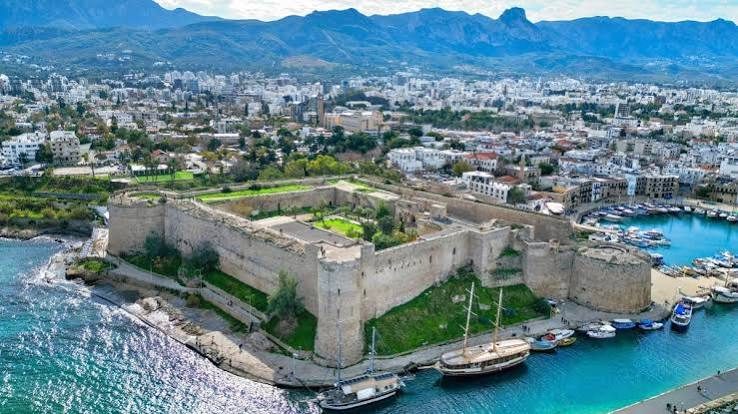
THE HISTORICAL ALLURE THAT HAS MADE THE ISLAND OF CYPRUS PRECIOUS THROUGH THE CENTURIES
Situated in the heart of the Mediterranean—at a unique crossroads where three continents meet—the island of Cyprus has, for centuries, drawn the interest of numerous civilizations, served as a home to diverse cultures, and maintained its strategic importance throughout history. This small island captivates not only with its azure sea and natural beauty but also with the rich historical heritage it carries from the past to the present day. From ancient cities and medieval fortresses to magnificent monasteries and historic harbors, traces of different eras can be found in every corner. This is precisely what makes Cyprus so special: it is far more than just an island, with every stone concealing a story waiting to be told.
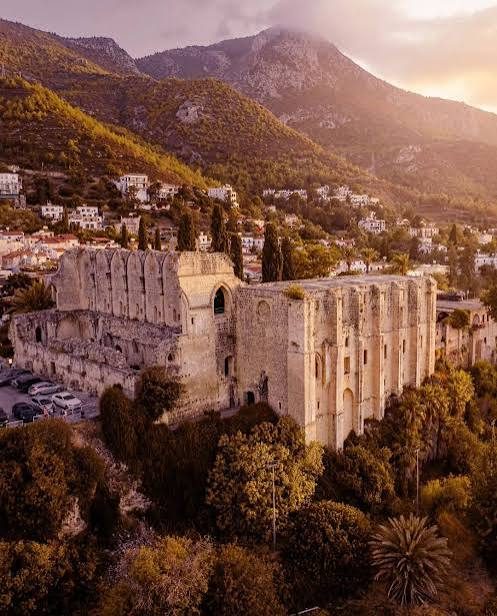
WHAT HAS MADE CYPRUS SIGNIFICANT THROUGHOUT HISTORY?
One of the primary reasons Cyprus has been considered valuable throughout history is its geographical location. Situated between Anatolia, the Levant, and Egypt, the island served as a crucial stop along Eastern Mediterranean trade routes. Thanks to this position, it attracted the interest of merchants, seafarers, and rulers across various eras, eventually becoming a hub where diverse cultures converged.

THE ISLAND OF COPPER : ONE OF EARLIEST SOURCES OF WEALTH
Another reason for the enduring interest in Cyprus lies in its natural resources—most notably its copper mines. In fact, there is a widely held view that the island’s very name is linked to copper. In ancient times, the production and trade of copper bolstered Cyprus’s economic importance within the Mediterranean world. As maritime trade flourished, the island distinguished itself not only through its natural resources but also through the commercial connections it established between different regions.
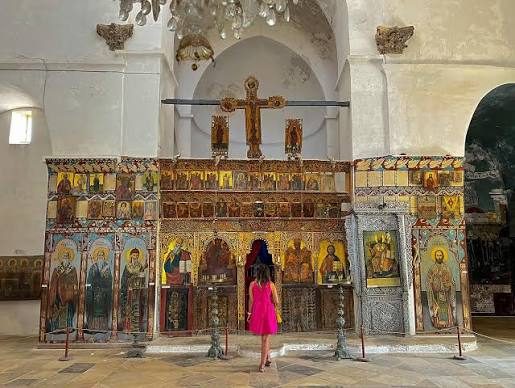
EVERY CIVILIZATION LEFT ITS MARK ON CYPRUS
One of the most fascinating aspects of Cyprus’s history is that the traces left by various civilizations on the island remain visible to this day. From the Phoenicians and Assyrians to the Persians, Romans, Byzantines, Lusignans, Venetians, Ottomans, and the British—many powers have played a role in the island’s history. Each era brought its own architecture, culture, and way of life. Consequently, it is not at all surprising to travel from an ancient theater to a medieval castle, and then encounter a structure dating back to the Ottoman period—all within the same landscape.
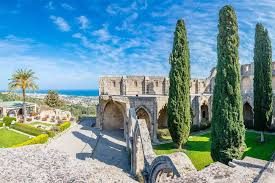
FROM ANCIENT CITIES TO FORTRESSES : AN ISLAND LIKE AN OPEN AIR MUSEUM
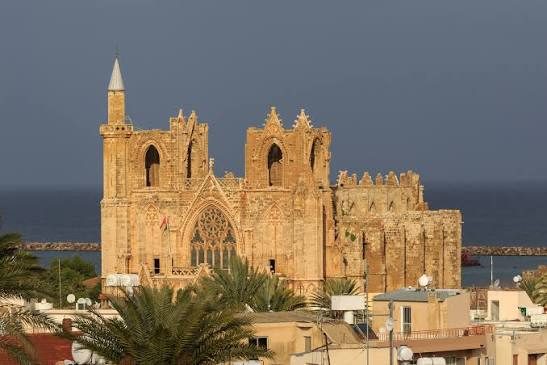
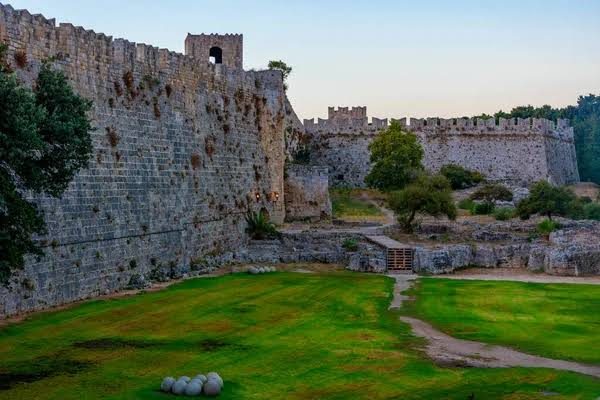
For those wishing to explore the historical allure of Cyprus, there are remarkable sites to discover all across the island. The magnificent columns and theater of the ancient city of Salamis bear the hallmarks of the Roman era, while Kyrenia Castle and the fortifications of Famagusta showcase the defensive architecture of the Middle Ages and the Venetian period. Meanwhile, Bellapais Abbey, with its Gothic architecture and evocative atmosphere, adds a distinct dimension to the island’s cultural richness. Each of these sites serves as a unique history book, illustrating how Cyprus once functioned as a meeting point for diverse cultures.
A CULTURAL MOSAIC WHERE EAST MEETS WEST
It would certainly be incomplete to evaluate Cyprus solely based on its historical structures. The influence of diverse cultures is evident throughout the island—in its cuisine, music, traditions, architecture, and daily life. One finds Mediterranean-inspired flavors alongside customs that have endured from various historical eras. This cultural diversity offers visitors to Cyprus not just places to see, but a rich way of life to discover and experience.
THE HISTORICAL ALLURE OF CYPRUS ENDURES TODAY
Despite the passage of centuries, the historical and cultural significance of Cyprus remains as vital as ever. Today, those who visit the island do more than simply enjoy the sun and the sea; they also have the opportunity to trace the remnants of a history spanning thousands of years. Wandering through ancient cities, exploring old streets, and spending time amidst historical landmarks transform a trip to Cyprus into something far more profound than an ordinary vacation.
A SMALL ISLAND , A GRAND STORY SPANNING MILLENNIA
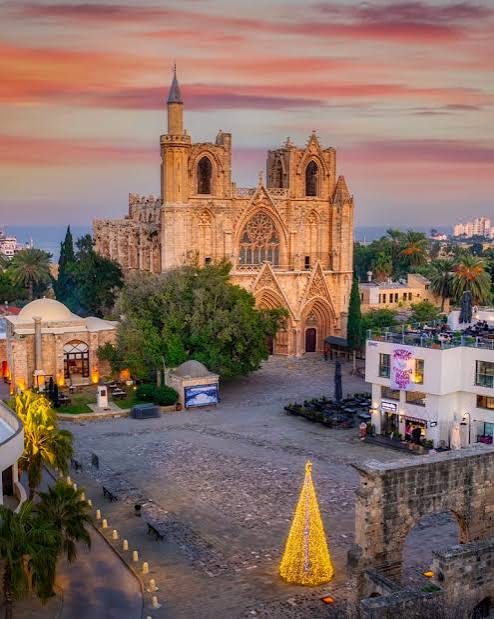
The true beauty of Cyprus lies in its ability to keep the past and the present alive side by side. One day, you might find yourself touching history among the ancient columns of Salamis; the next, you could be soaking in the tranquility of the Mediterranean at the old harbor of Kyrenia. Bearing the marks of different civilizations in every corner, this island reveals new stories the more you explore it. Perhaps what has made Cyprus so valuable throughout the centuries is not merely its geographical location, but the unique heritage forged by the cultures and experiences that have accumulated on these lands.