
Language
SOME LEGENDS FROM CYPRUS
The Turkish Republic of Northern Cyprus (TRNC) and the geography of Cyprus in general are home to many fascinating folk legends, rooted in a rich historical past.
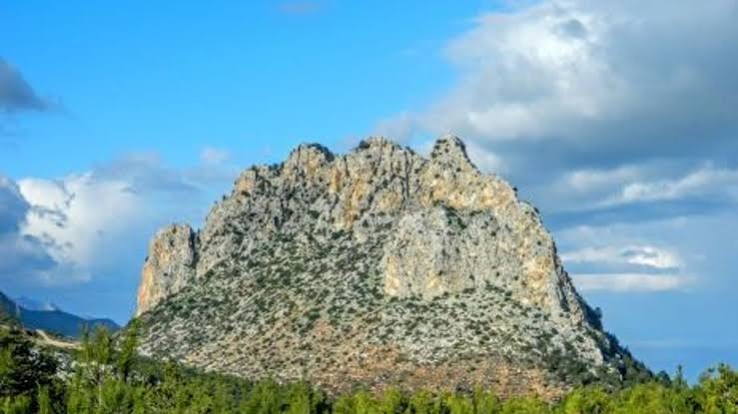
FIVE FINGER MOUNTAINS : A SACRIFICE TURNED TO STONE
According to legend, the King of Cyprus had a daughter of extraordinary beauty, and nobles and wealthy men from all corners of the island sought her hand in marriage. To choose a son-in-law, the King set a daunting challenge: "Whoever is the first to bring me a jug filled with water from the sacred spring on the Karpaz Peninsula shall marry my daughter."
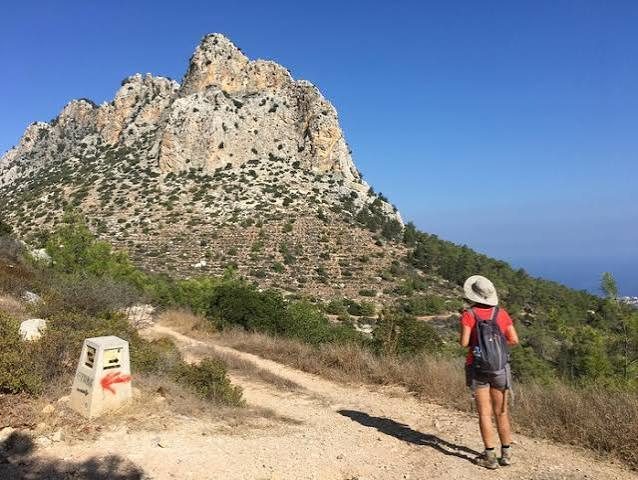
FIVE FINGER MOUNTAINS
The suitors set off, but the spring was nearly impossible to find. Days later, the first to return to the palace was not a nobleman, but a poor, pure-hearted young man. He presented the King with the jug, which he had retrieved from the depths of the Karpaz region after overcoming countless hardships. Enraged at the prospect of his daughter marrying a poor man, the King snatched the jug, poured the water over the youth, and cursed him. The ground where the water fell instantly transformed into a bottomless swamp. As the young man sank into the mire, he raised his hand toward the sky one last time in defiance of this injustice. In that very moment, his five outstretched fingers turned to stone, rising upward to form what are known today as the Five Finger Mountains.
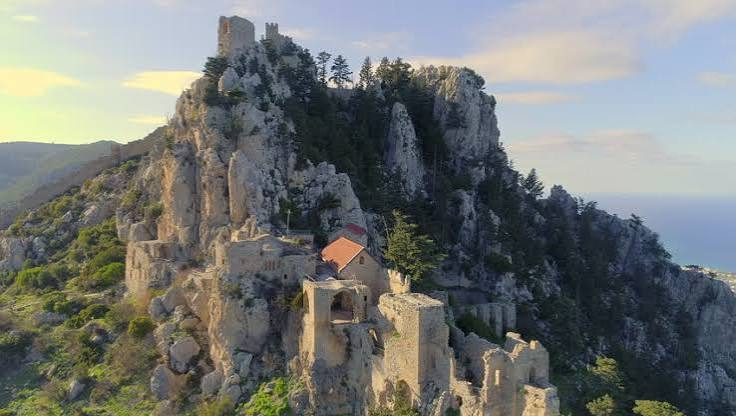
ST.HILLARION CASTLE AND 101 ST ROOM : THE DAY OF WISHES AND THE CRUEL QUEEN
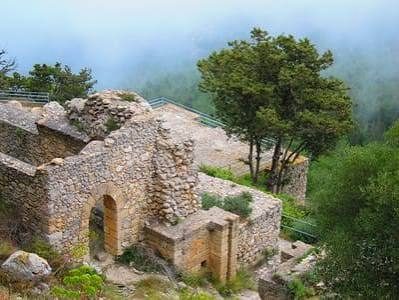
Perched high above Kyrenia, defying the clouds, lies St. Hilarion Castle—known among the local people as the "Castle of 101 Rooms." It is believed that the fortress contains exactly 101 chambers. According to legend, the door to the 101st room opens mysteriously only once every 40 years, on a day known as the "Day of Wishes." Those who step through the threshold on that day find themselves in an enchanting, paradisiacal garden filled with riches unlike anything else on earth. Yet, 40 young people, spellbound by the wonders within, have fallen into an eternal slumber, trapped forever inside.
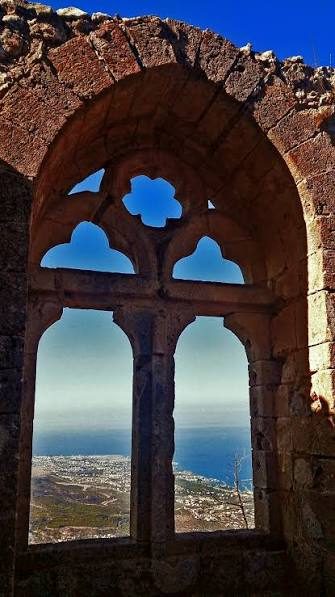
ST.HILLARION CASTLE
Another figure associated with the castle is Queen Recina of Cyprus, who was as notorious for her cruelty as she was for her beauty. Determined to keep the castle’s secret passages—and the location of the 101st room—hidden from everyone, she allegedly ordered that all the laborers and loyal guards who built the fortress be thrown to their deaths from a window overlooking the precipice at the castle’s highest point, ensuring that the secret would die with them.
BUFAVENTO CASTLE : THE MIRACULOUS SPRING
Buffavento—a name meaning "defying the wind"—is the highest castle on the island. During the era of the Knights Templar, a Byzantine princess (or queen) contracted leprosy, a disease for which there was no known cure. Seeking to escape both the disfigurement caused by her illness and the resulting social ostracization, she took only her beloved dog and sought refuge in the desolate towers of Buffavento Castle.
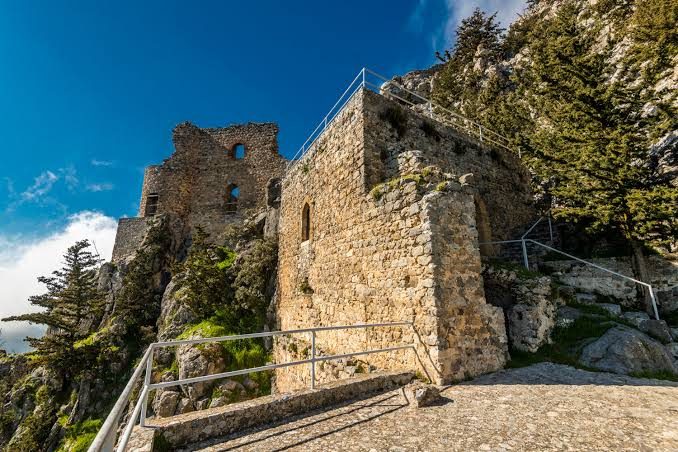
BUFFAVENTO CASTLE
In time, the queen noticed that the sores on her dog—who also suffered from leprosy—had begun to heal. One morning, driven by curiosity, she followed the animal and discovered it bathing in and drinking from a hidden spring at the foot of the mountain. Filled with hope, the queen bathed in the waters of this healing spring and, miraculously, regained her former health and beauty. As a gesture of gratitude, she commissioned the construction of the Monastery of St. John Chrysostomos right beside the spring—a structure that remains standing to this day.
OTHELLO CASTLE : THE ENCHANTED LION
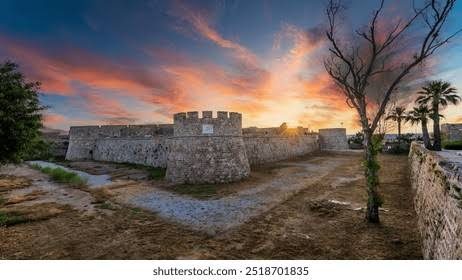
At the gate of Othello Castle, which guards the harbor of Famagusta, stands a marble relief of a lion dating back to the Venetian era. According to legend, this lion is more than just a stone ornament. On one specific day of the year—at a mysterious hour known to no one—the marble lion comes to life and opens its jaws wide. Should a fortunate person happen to be there at that precise moment, they might obtain the key to the vast Venetian treasures hidden beneath the castle, or even secure the gold itself.
THE TOMB OF HZ.OMER - A SPIRITUAL TALE OF KYRENIA
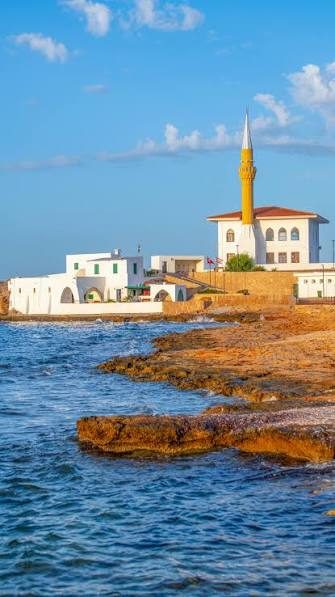
Perched upon the cliffs overlooking the deep blue waters of Kyrenia, the Tomb of Hz. Ömer stands like the protagonist of a silent tale reaching from the past to the present day. With stories whispered by the waves, prayers carried upon the wind, and the enduring traces of centuries, this sacred site invites visitors on a spiritual journey into the depths of history. According to legend, it was here that the sahaba (companions of the Prophet)—who arrived in Cyprus during the era of Hz. Ömer to spread the message of Islam—met their martyrdom. Today, time seems to slow down within the tranquil atmosphere of the tomb; as the blue of the sea meets the sky, one finds oneself immersed in both history and an infinite, profound silence. The Tomb of Hz. Ömer is more than just a structure of stone; it is a living memory—on the shores of Kyrenia—of faith, self-sacrifice, and a spiritual narrative that has been recounted for centuries.